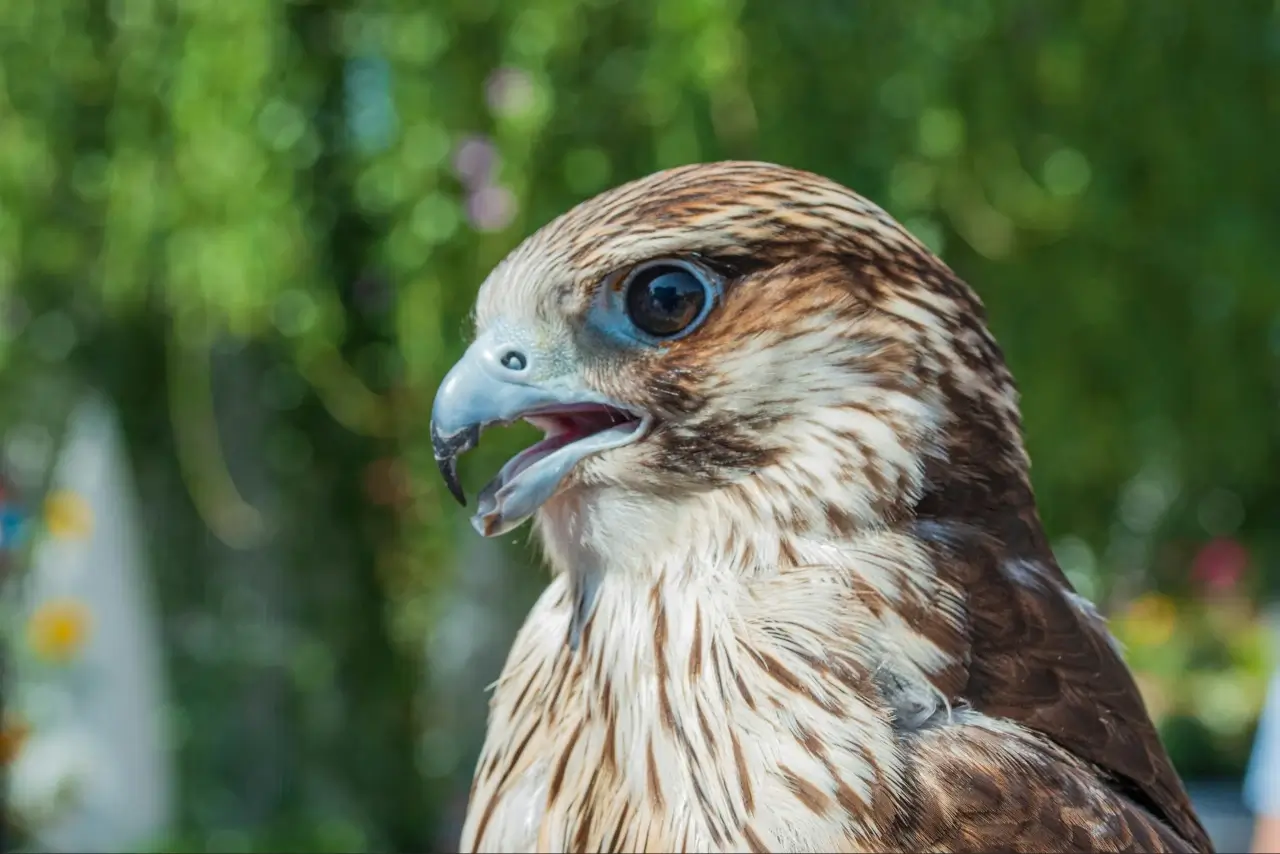
I found him where the world seemed to have closed its eyes — on a patch of green, in a city too hurried to notice a wounded creature: a sparrowhawk, stripped of his ability to fly, reduced to silence, suspended between absence and a final breath.
At the invisible edges of cities, there lives a bird that few truly notice — Accipiter nisus, called the sparrowhawk because its principal prey remains the pigeon, hunted in low, lightning-fast flights, like an arrow loosed from an unseen bow. It lives ordinarily a decade, perhaps twelve years, if the winters are kind and when it opens its broad, rounded wings, perfectly adapted for threading through forests and parks alike, its shadow seems to cover not only the earth, but some part of our saddened souls as well. You encounter it in quiet parks, in abandoned orchards, and when you see it for the first time, you have the impression of watching a fragment of sky condensed into the shape of a bird.
What grieved me then, when I lifted him from the ground, was not only his precarious state — starving, thirsting, his wing broken — but a strange dignity peculiar to a predator who, even when defeated, does not ask for pity. Only for a moment of attention.
I took him to a veterinarian, a man with eyes wearied by too many encounters with suffering, who bandaged the wing and said something I shall never forget: He will heal. But I will not begin treatment unless you promise me that, when he is fully recovered, you will give him back his freedom, not to a zoo, not to a beautiful cage, but up there, in the open sky where he belongs. I promised, and in that moment, without knowing it, I signed my own contract with destiny and freedom.
For a bird of prey, freedom is not a choice, it is the quintessence of existence. When you deny it flight, all that remains is a shadow remembering that it was once part of the sky.
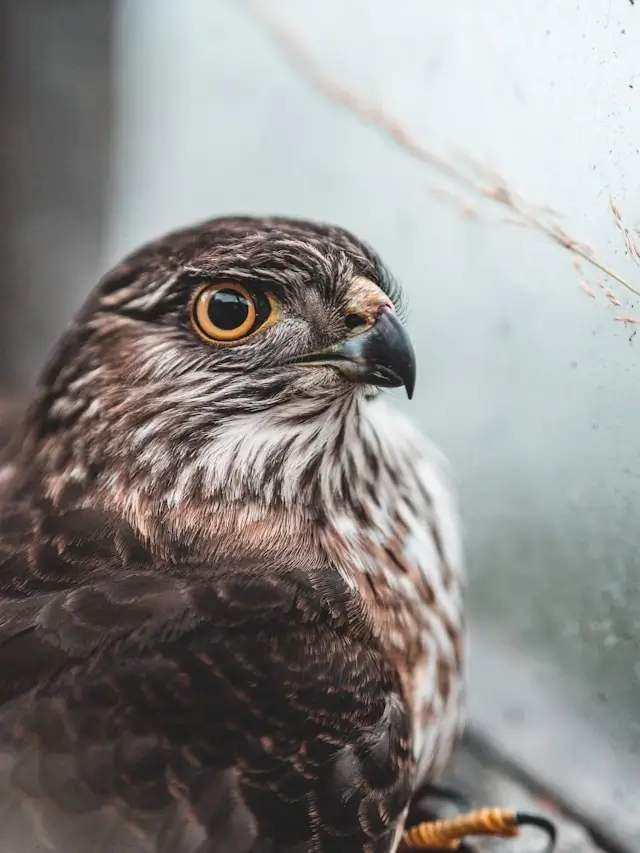
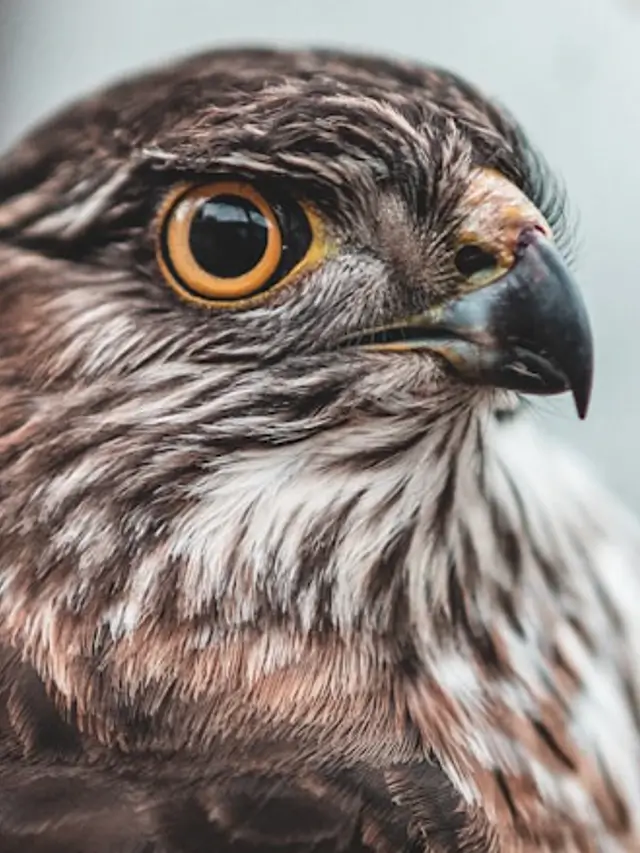
I kept him at home for several months. At first he seemed only a silent presence, a shadow that breathed. Then, as his wing healed, his gaze changed. He was no longer a pale image of suffering, but a lucid presence, his eyes directed perpetually toward the window, toward the vastness of the sky he could glimpse only through glass. He drew close to me when I fed him — not with affection, but with an almost scientific logic, as though my presence were nothing more than a bridge toward survival, and toward release.
This bird of prey made me understand that for us, human beings, freedom is an option, a choice we debate in books and courtrooms, without ever truly feeling it. For a bird of prey, freedom is not a choice, it is the quintessence of existence. When you deny it flight, all that remains is a shadow remembering that it was once part of the sky.
He had become what he was always meant to be: an arrow loosed into the breath of the wind, a piece of sky returned Home.
He was unhappy, and that unhappiness revealed itself through a quiet withdrawal into himself, as though captivity were slowly wearing away something essential within him.
At last, came that late autumn morning, with its pearlescent light and the distant trembling of the sea. I took him in my arms and carried him to a rock rooted in the water, on a wide open field beside the shore, free of tall trees. I placed him on my arm, and for a few seconds, which felt to me like an eternity, he did not move. He looked at me, then at the sky, then at me again, as though he wanted to tell me something, but he was feared I would never understand.e, then at the sky, then at me again, as though he wished to tell me something, but feared I would not understand.
How deeply I wished he would stay. But true love is a sacred promise, I had to let him open his wings to the sky, and then fly. And he took flight, he rose suddenly, without hesitation, like an arrow sent toward the heights, after months of tension. And his wings opened so wide they seemed to cover not only the sun, but all of my questions. He circled once, then again, not for me, but to feel the wind and then turned toward the sun, toward that blue immensity that had never asked whether he had been wounded, but had simply waited for him.
He did not look back. Not even once did he turn to see my face. He left like he had never lived beside me, and it was precisely that absence, that magnificent, wordless departure, that became the greatest lesson of my life.
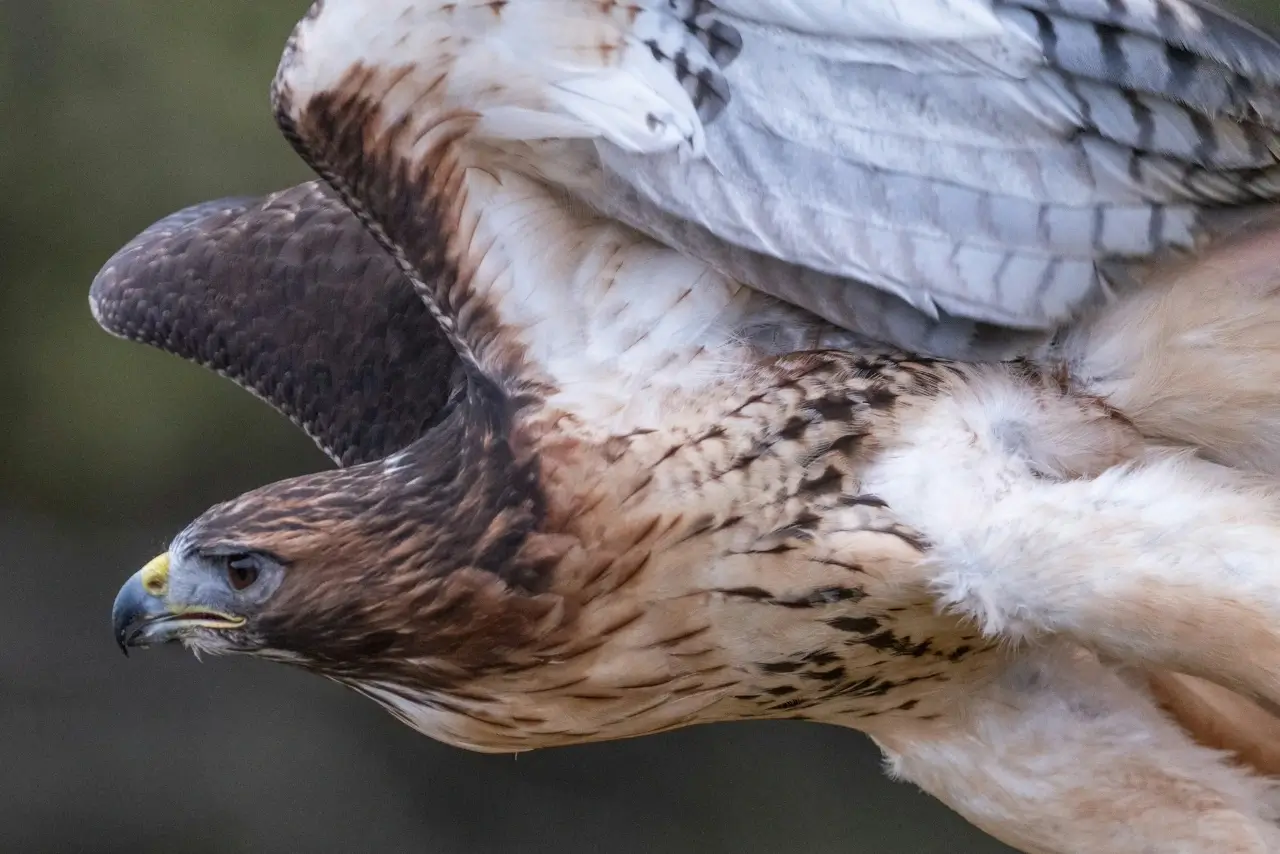
I do not know whether he lived another day or many more years. I do not know whether he managed to outlast the cold winters, or whether other dangers found him. But I know, with absolute certainty, that in the moment he rose from my arm, he was perfect. He was no longer a patient, he had become what he was always meant to be: an arrow loosed into the breath of the wind, a piece of sky returned Home.
There is a love that says: Go, and don’t look back!
I remained on that rock long after the small point of him had dissolved into the horizon — but with the certainty that there is a love that says: Go, and don’t look back!
The Wild means belonging only to the sky, earth, sun and the wind — to be truly free. The bird left without looking back, reminding me that Freedom was Everything to it.