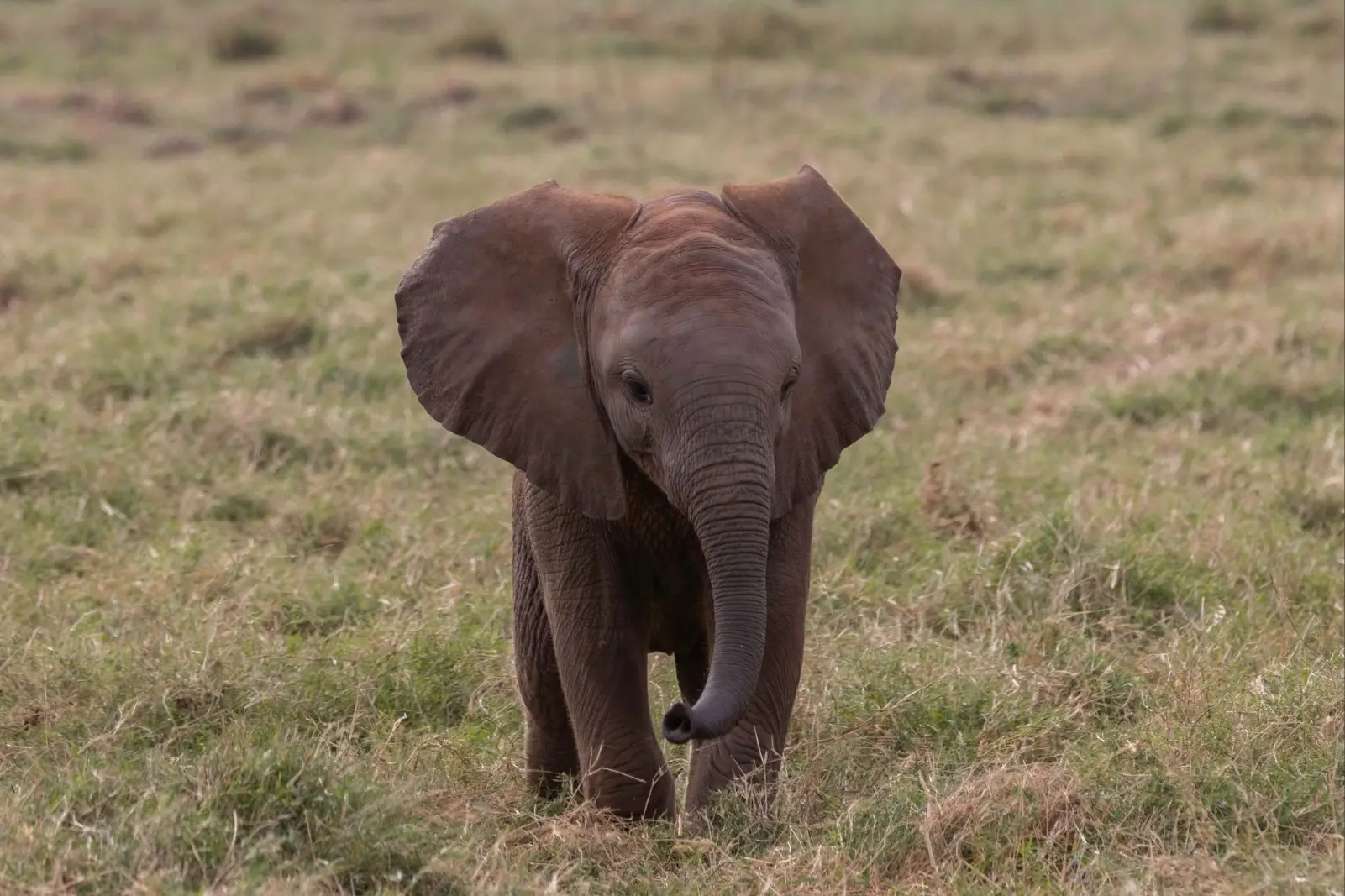
Some kill for ivory; others devote their lives to saving those who cannot save themselves.
II would like to tell you a true story—a modern fable whose protagonist is an orphaned baby elephant. It is a story about faith, courage, and the unwavering determination of a living being to defend its right to exist, refusing to surrender, even for a single moment, in the face of adversity.
It was a tranquil night at an elephant sanctuary in Kenya. Darkness had gently settled over the people, the animals and their enclosures, wrapped in a profound silence broken only by the soft thud of the great pachyderms' footsteps and the discreet murmur of the African night. Above them, the stars shimmered like diamonds scattered across the velvet of the African sky, while the relentless heat of the day had slowly dissolved into a gentle breeze that lent the night an almost unreal tenderness. It was that rare serenity that only Africa can bestow—a fleeting moment in which human beings rediscover their rightful place within the stillness of the natural world. Who would not long to spend even a single night in such a place, in the company of these extraordinary creatures?.
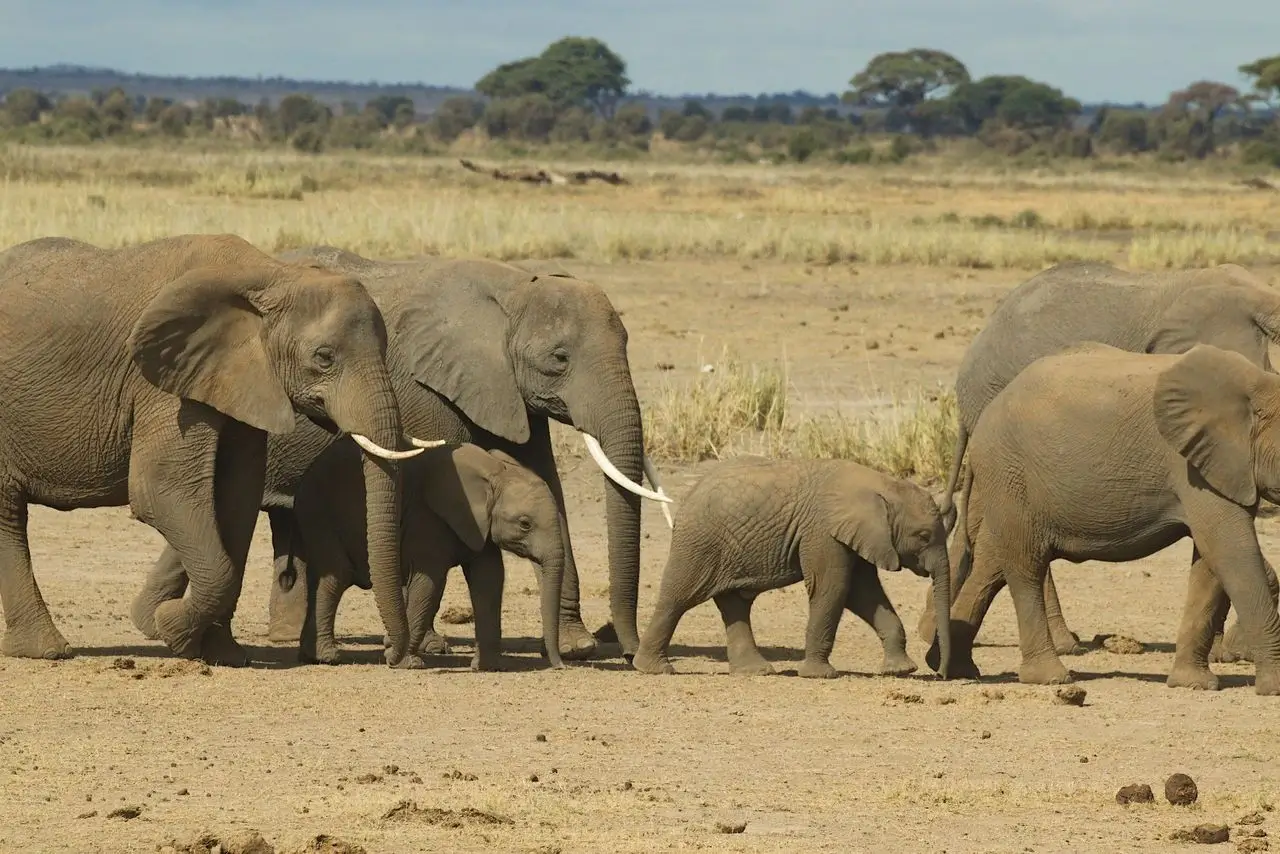
Morning was slowly unfolding across the Kenyan savannah, as though daylight itself had paused to seek the night's permission before taking its place. From the thickets at the edge of the sanctuary emerged a frail little figure, advancing with uncertain steps, stopping from time to time as though every stride demanded a new act of courage simply to remain alive. Only when she had drawn close enough did the keepers realise that the tiny stranger before them was a baby elephant, no more than a few months old.
She was exhausted, covered in dust, and her small body bore deep wounds. The keepers could only imagine that they had been inflicted either during a desperate attempt to join another elephant herd or in an attack by hyenas or other predators. Only she knew the truth, and that truth would remain forever hidden within the silence of the savannah. One fact alone was certain: her mother had fallen to poachers, and the orphaned calf had wandered alone through the wilderness until instinct led her to the only place where hope still existed.
The keepers stood motionless, gazing at the little elephant as though she had stepped out of another world. She was far more than a lost calf. She had become the very embodiment of vulnerability refusing to surrender. Wounded, terrified and utterly alone, she had reached the sanctuary guided by a force that humanity has never fully understood—the instinct to live. No one can truly comprehend the anguish of a baby elephant left alone in the world after only a few months of life.
One truth, however, stood beyond doubt: she wanted to live.
Perhaps she did not know who human beings were, nor that they can sometimes prove more dangerous than any predator roaming the African plains. On that particular morning, however, destiny had prepared a different encounter for her. Some kill for ivory; others devote their lives to saving animals. That morning, Imani found the latter.
They named her Imani—Faith in Swahili.
The keepers immediately began cleansing her wounds, treating them with antibiotics, surrounding her with the kind of care that only genuine compassion can offer: gentle caresses, whispered words of reassurance, and tender gestures that sought to soothe a suffering beyond measure.However severe her injuries appeared, they would heal.
Her true battle was only just beginning.
Imani still depended on her mother's milk, and no substitute could ever replace the nourishment only a mother could provide. With every passing hour, her chances of survival diminished, while time, relentless in its course, seemed to withdraw her right to life little by little.
An adoptive mother had to be found. And she had to be found before hope itself slipped away.
For Imani, survival depended upon one final gift that no human being could offer: a mother's milk. Throughout the entire herd, only one possibility remained—Nola, a female who had recently lost her own calf and had since withdrawn into herself, carrying in silence a grief beyond anyone's power to ease. Sorrow had not hardened her heart; it had merely taught her mistrust. The presence of any young elephant reopened a wound that time itself seemed unwilling to heal.
The keepers gently led Imani into the enclosure where Nola had been separated from the rest of the herd and then stepped back, watching in silence from a distance. The little orphan knew nothing of the laws that governed the world she longed to belong to, nor could she understand that motherhood cannot be commanded. For her, only one truth existed: milk meant life. She slowly approached the grieving female and rested her tiny trunk against her body with the quiet innocence of a calf who had lost everything except the instinct to trust.”
Among elephants, however, no one chooses in a mother's place. She either accepts. Or she turns away.
Human beings can do nothing except watch and wait, powerless before the natural order..
The moment seemed endless. Nola remained perfectly still, her gaze resting upon the fragile calf leaning against her. No one could possibly know what stirred within the heart of a mother who had buried her own child. Then, almost imperceptibly, the tension left her body, and she allowed Imani to nurse.
The joy that filled the sanctuary defied words. At last, Imani had been granted the chance for which every keeper had been praying in silence. She would live
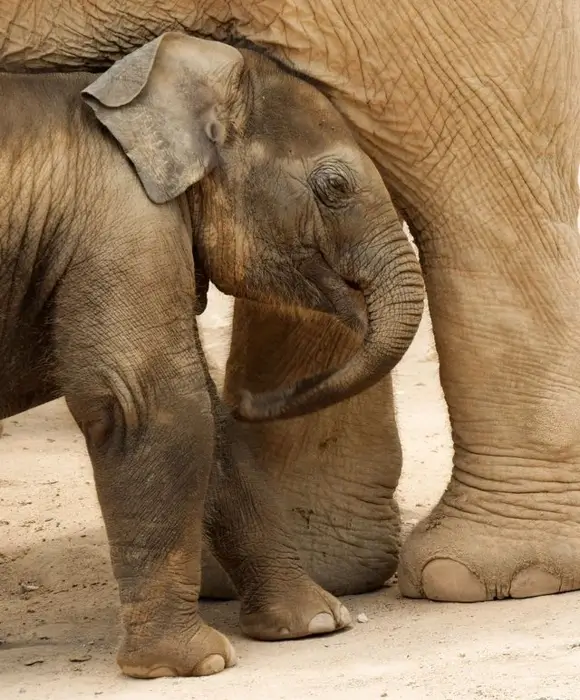
A few days later, the two elephants were allowed to return to the herd. Nola walked quietly toward Wema, the matriarch, the oldest and wisest female among them all. Wema studied the orphan for a long moment before gently raising her trunk in a gesture the keepers knew all too well. Imani had been accepted. From that moment onward, she was no longer a solitary orphan wandering between worlds. She belonged to the family. The first weeks, however, became a trial for them all.
Nola found herself suspended between maternal instinct and a grief she had not yet learned to release. At times she welcomed Imani with unexpected tenderness, allowing the little calf to nurse peacefully; at others, she pushed her away without warning, as though the orphan's presence awakened memories she could scarcely bear to face. Whenever those moments came, Wema intervened with the quiet authority that belongs only to a true matriarch, restoring harmony through little more than her presence and the silent wisdom that guided the herd.
Meanwhile, Imani was discovering the world. With the patience and wisdom that only age can bestow, Wema taught her almost everything a mother would have taught her own calf. She learned how to strip tender leaves from branches, how to recognize the trees that offered nourishment, how to cover her skin with cooling mud to protect herself from the blazing sun and relentless insects, and, above all, how to remain close to the herd, for an elephant is never truly alone while walking beside its own
She befriended Benji almost from the very first day. They spent endless hours chasing one another through the sanctuary's clearings, weaving between the acacia bushes before tumbling together into pools of mud with the carefree delight known only to childhood. The keepers often watched them with quiet smiles, discovering in their innocent games the extraordinary way life always finds a path forward, even after its darkest trials.
Days slipped gently into one another, and Imani seemed, at last, to have rediscovered the peace that had vanished with her mother's death. She accompanied the herd across the long stretches of the savannah, played for hours with the other calves, and followed her adoptive mother wherever she went, as though trying, within the brief span of a few weeks, to reclaim all the love that life had taken from her far too soon. Beneath that fragile appearance of harmony, however, Nola's wound remained unhealed, and time, far from easing her sorrow, sometimes appeared only to deepen it
At first, her unease revealed itself only through almost imperceptible gestures. She would gently nudge Imani away with her trunk; a few days later, her temper grew increasingly unsettled, and the outbursts became more frequent, troubling everyone who witnessed them. Wema, the matriarch, intervened each time with her quiet authority, restoring calm among the elephants, although even her wisdom could not erase the grief of a mother who had lost her own calf.
There are sorrows that neither time nor the love of those around us can heal until the soul itself is ready to release them
Imani never understood the reason for this change, nor did she attempt to resist it. Whenever she was driven away, she quietly withdrew, carrying within her the patience that only suffering can teach, waiting for the storm to pass and hoping that, with it, her adoptive mother's tenderness might also return. Then, one day, Nola rejected her completely.
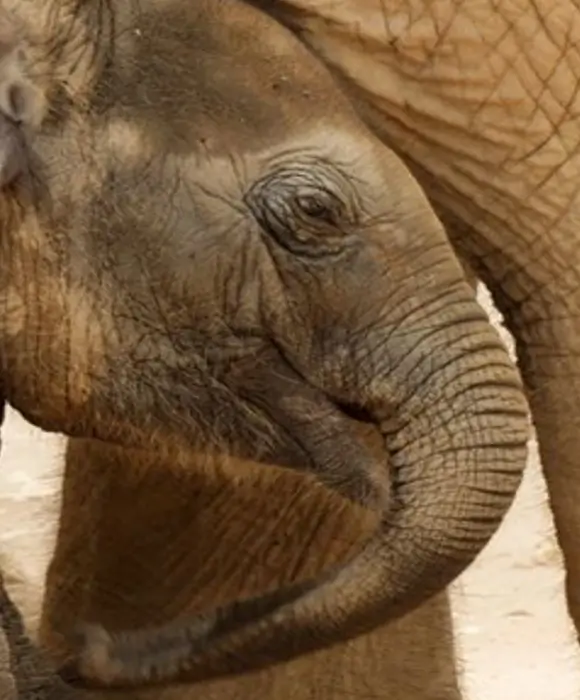
Once again abandoned, unable to understand why fate had taken from her, for a second time, the only being to whom she could cling, Imani slowly approached Wema, instinctively seeking the same shelter every child searches for when the world no longer offers any answers. The matriarch drew the little calf beneath her immense body and gently lifted one of her forelegs in a gesture of quiet affection, offering protection and comfort, as though to say that, although she could not alter destiny itself, she would never allow the orphan to bear her sorrow alone.
Even Wema, however, could not alter the natural order. Imani still depended upon a mother's milk, and throughout the sanctuary there was no longer another female capable of giving her the gift upon which her life depended. With each passing day, her chances of survival grew slimmer, while time, indifferent and relentless, seemed to reclaim her right to live little by little. Her frail body weakened before everyone's eyes, although her gaze never lost its quiet radiance—that silent determination that neither hunger, suffering nor loneliness had managed to extinguish.
I want to live!
And precisely when even those who had devoted themselves to saving her began to fear that hope was fading together with her strength, something profound shifted within Nola's soul—a transformation no human hand could have hastened, one that only compassion born from suffering itself possesses the power to accomplish.
The joy that swept through the sanctuary could scarcely be expressed in words!
And then, just when every hope seemed to have faded beyond recovery, the miracle that no one had dared to await quietly came to pass. On one of those silent African mornings, when the savannah appears to hold its breath before the sun reaches the horizon, Nola walked towards Imani of her own accord, and those who witnessed the scene understood, without a single gesture or spoken word, that something had changed within the elephant's soul—a transformation that neither time nor human hands could ever have brought about.
Her grief had not vanished. No mother ever forgets the calf she has lost, nor does nature offer oblivion as a remedy for sorrow. There are, however, forms of suffering which, after consuming everything in their path, leave behind a compassion so profound that it restores to another the very gift they themselves have been forced to surrender. Perhaps, as she gazed upon Imani, Nola saw once more the image of her own calf; perhaps, in a language known only to elephants, she understood that before her stood another young life condemned to bear the same loneliness. The maternal instinct that grief had held captive for so long finally found its way back into the light.
Imani approached slowly, with the quiet hesitation of one who had learned rejection far too early and no longer dared to embrace hope without fear. Nola remained perfectly still and allowed the little calf to nurse, and in that moment everyone understood that Imani had been granted another chance to live, and that true miracles never announce themselves with noise or spectacle. They unfold instead within that profound silence through which nature faithfully follows its own eternal order.
From that day forward, Nola never turned her away again. Without anyone asking it of her, and without humanity being able to claim the slightest share of the credit, she chose to offer Imani the one gift that only a mother can bestow: life. In doing so, she also reclaimed her own motherhood, which grief had never destroyed, only concealed beneath the unbearable weight of loss.
Night once again spread its great wings across the Kenyan savannah, and silence settled gently over the elephant sanctuary, as it did every evening. The animals slept, the keepers rested, while above them the African sky slowly rekindled its ancient stars, those silent witnesses to every beginning and every farewell.
Imani dreamed. She dreamed that a being of light bent over her and whispered with a tenderness that only love untouched by fear can possess:
Imani, one day you will become the matriarch of this herd. You have come to know the meaning of suffering, and those who have known sorrow are the first to understand the true value of life.
Perhaps this is the truth that both humans and animals discover only after passing through life's greatest trials: suffering is never what defines us. What defines us is the way we choose to answer it. Compassion does not arise from strength; it grows from the memory of pain. Only those who have endured loss can fully comprehend the worth of a living soul and find within themselves the courage to protect it. Perhaps this is why hope continues to endure, for as long as there remain beings who choose to save rather than destroy.
Je suis Imani. Every being that fights to survive deserves a chance.
Citadellique gives voice to stories that remind us why every form of life is worth protecting.
NOTE This essay is inspired by the true stories of orphaned elephant calves left behind by poaching and rescued in African wildlife sanctuaries. The character of Imani is a literary creation that weaves together elements from these real lives, giving voice to the universal right of every living being to life.