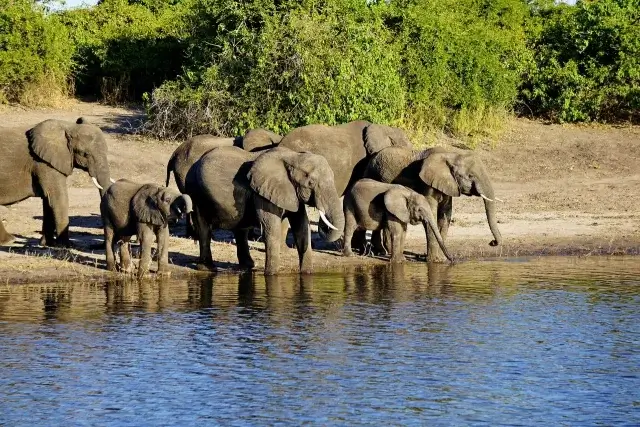
In Africa, beneath the savanna, there is another savanna—one of bones, roots, and memory. Water does not flow only across the land, but beneath it, through hidden veins of limestone, just as pain and grace move through the silence of an aging elephant. When the herd passes, the earth remembers.
I once stood at dawn in a sanctuary in Kenya. It had no fences—only an understanding between humans and nature. There, out of a milky, opaline mist, emerged a matriarch. She limped, one tusk broken, her skin draped like a mantle too large for her frame. Behind her walked a blind calf—not born so, but rendered sightless by a shot fired too close to the forest’s edge. The matriarch did not walk ahead, but beside it, her trunk resting gently along the calf’s back, like an arch over a ruin.
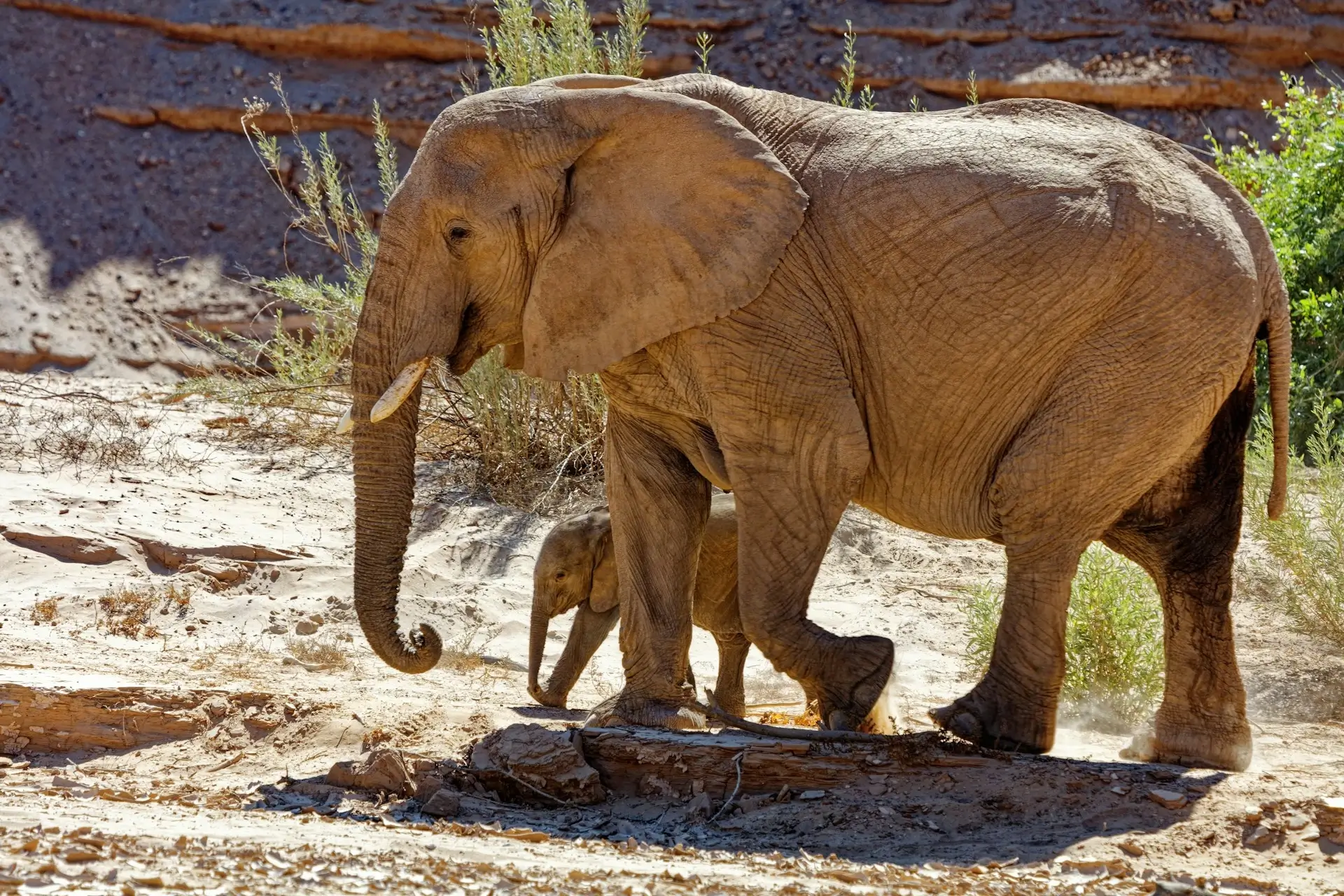
I will never forget that rhythm. It was the gait of wounded majesty. And yet—majesty still.
What is a sanctuary, if not a cathedral of patience?
Africa’s sanctuaries are not, as some imagine, vast and sorrowful zoos. They are, in truth, sacred places. Sacred not because they bear crosses or altars, but because within them, life has been placed above all else. There, an elephant calf may spend hours swaying its trunk over an acacia leaf—not out of hunger, but from an instinctive need to rehearse a gesture it would have learned from its mother. The rangers—tired, tender—live with a quiet dread that they might not hear, in time, the cry of an orphan.
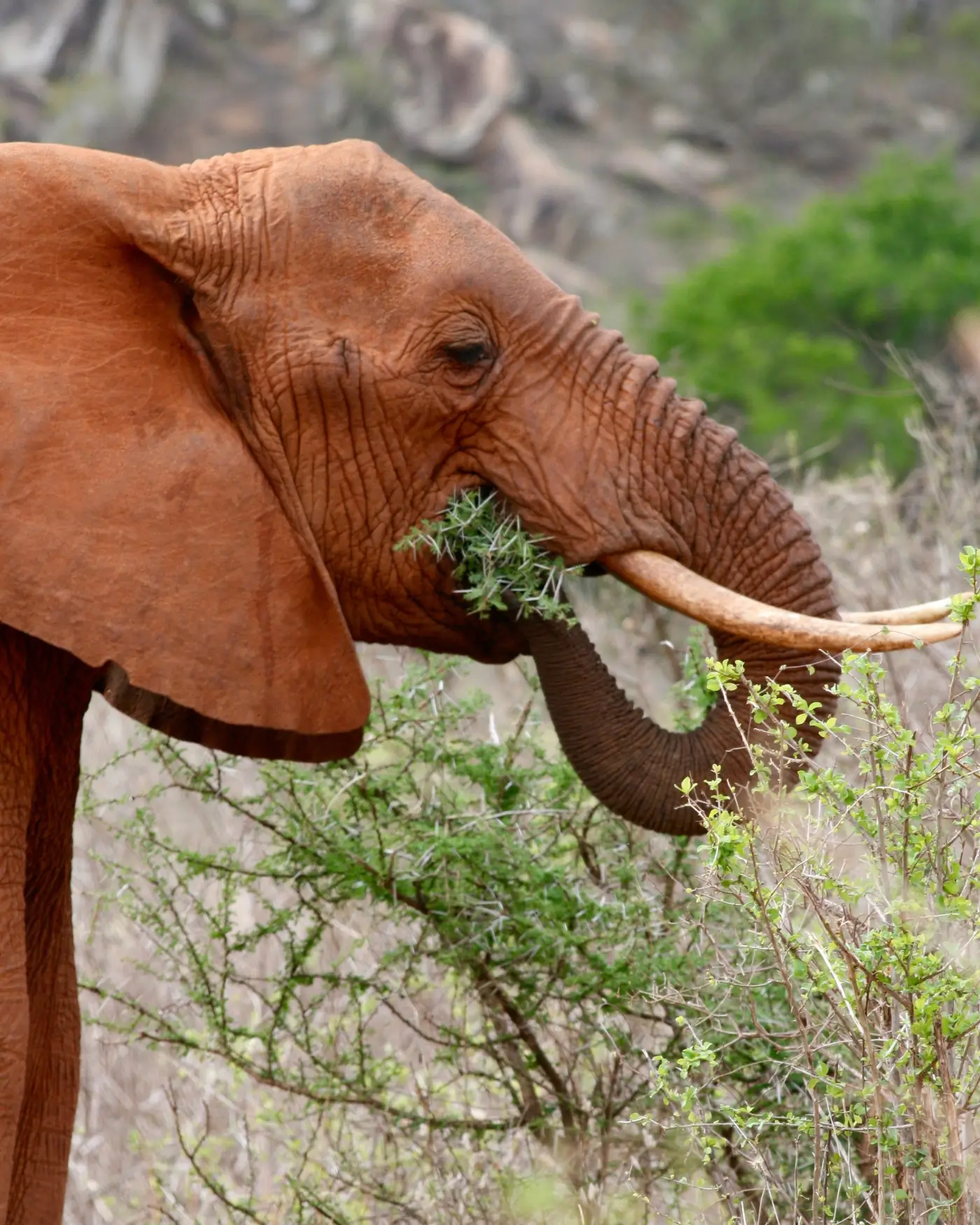
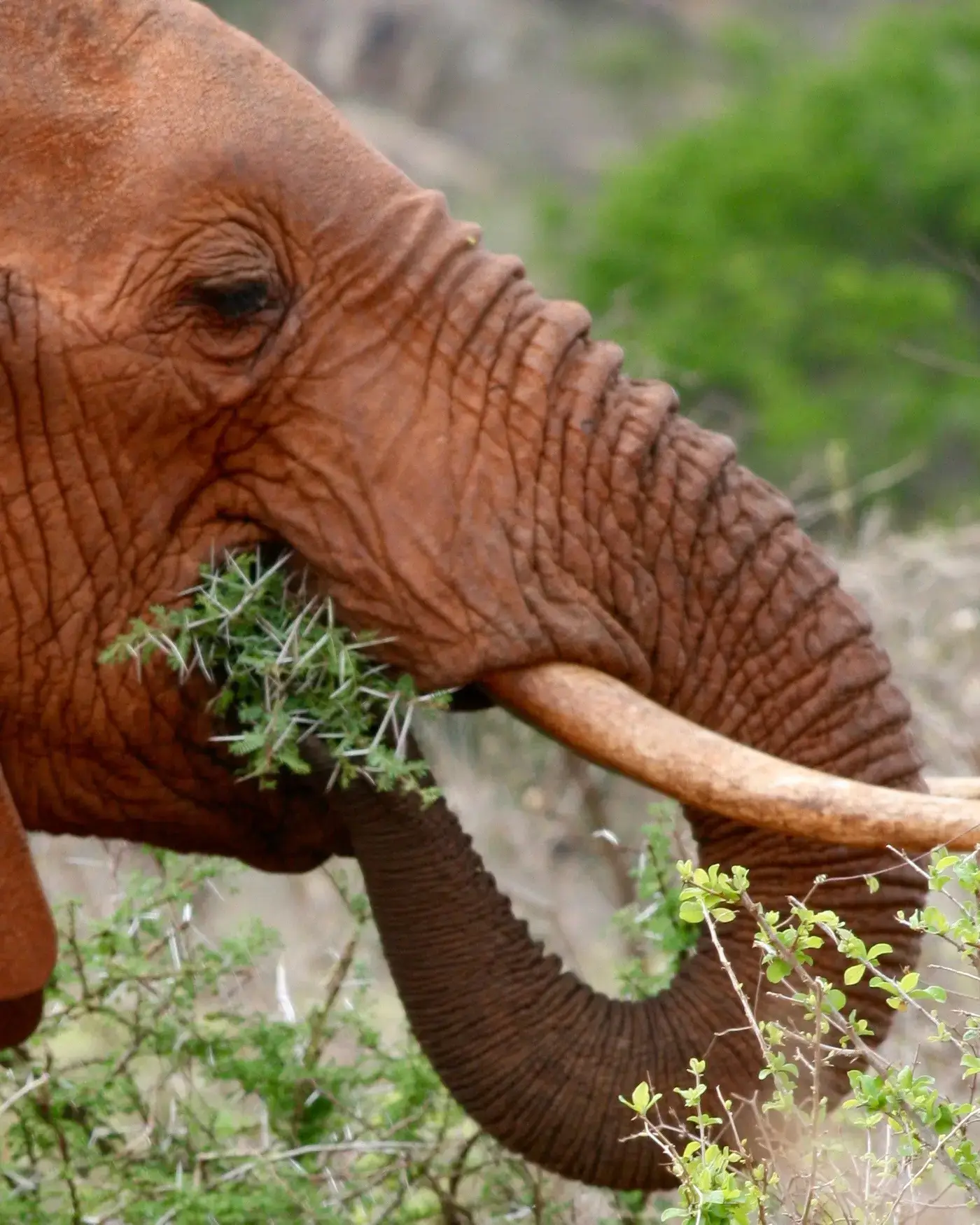
Yes, elephants grieve. I do not know if they wipe their tears, but I know this: when an orphaned calf dreams, its trunk trembles restlessly, as though struggling to survive one more day.
Beyond their bounds, the elephant lives within a tragedy written too quickly. Its ivory—a marvel of biology, the only material in the animal kingdom capable of growing in such paradoxical spirals—has become the axis of our dispute with reason. We have turned it into ornament, into a hollow emblem of status. Yet within the sanctuary, tusks hold no value. They are merely an extension of a gentle soul into matter
In Africa, I once saw a former ivory poacher become a protector. His hands were the same—large, unyielding—yet now they scratched an old elephant beneath the chin, in the velvet hush of dusk. I asked him why he loved elephants now. He answered without lifting his gaze: “Because it forgave me before I knew I needed forgiveness.”
This is the majesty of elephants—their almost inconceivable power to offer grace to a world that has given them so much death.
And yet, forgiveness is not enough. That is why sanctuaries exist. They are the sacred grounds where life prevails—when an orphaned calf takes its first bottle, when an aging matriarch leads her herd to water without a single bullet cutting across her shadow. Sometimes, life prevails only for a day. But that day defies the very order of the universe.
We look to sanctuaries as we might to cathedrals in ruin—beautiful, necessary, yet too few. The elephant needs vast horizons, not only protected enclosures; it needs people who do not fear it, children who learn that ivory is not a treasure, but a pact we have betrayed.
The truth is this: sanctuaries do not save elephants alone—they save us. They are quiet mirrors in which we may still glimpse what we were meant to be: beings capable of tenderness toward one another, toward nature, toward all living things.
At night, if you listen closely near a sanctuary, you will hear something found nowhere else—a shared breath, as though everything that lives there—human, animal, grass, and ant alike—inhales the same sigh of relief: today, life has prevailed.
And then we understand: majesty is a choice. And the elephant, in its gentleness, offers us that choice every day.
We decide whether we see it—or allow it to vanish along the dust-laden road.
The sacred sanctuaries are still there. For how long, we do not know. Perhaps we will not weep for the elephants — but we will surely weep for ourselves, for having forgotten how to protect something so grand and majestic
Let us not allow the elephant to walk alone into the night. There is still time to win one more day.